A semi truck accident lawyer builds a case out of the truck's own data. Modern semis record speed, braking, throttle, and duty status through engine control modules, electronic logging devices, and telematics systems. That evidence can prove exactly what the driver did before impact — but it is routinely overwritten within weeks unless a preservation letter is sent.
In a car accident, the facts usually come down to two drivers' accounts and a police diagram. In a semi-truck case, the truck itself is a witness. The question is whether anyone gets to its testimony before it is gone.
What a semi truck actually records

| Source | What it captures | How long it survives |
|---|---|---|
| Engine control module (ECM / "black box") | Speed, RPM, throttle, brake application, hard-braking events, fault codes | Can be overwritten by continued operation — sometimes days |
| Electronic logging device (ELD) | Duty status, driving hours, engine hours, location at intervals | Six-month federal retention floor for records of duty status |
| Fleet telematics | GPS breadcrumbs, speeding and harsh-event alerts, route history | Varies by vendor contract; often 90 days to a year |
| Forward and driver-facing cameras | Video of the seconds before and after impact | Frequently 30-day loops unless an event flag preserves the clip |
| Maintenance and inspection files | Repairs, deferred defects, driver vehicle inspection reports | Retention varies by record type under 49 CFR Part 396 |
Why the retention clock is the real deadline
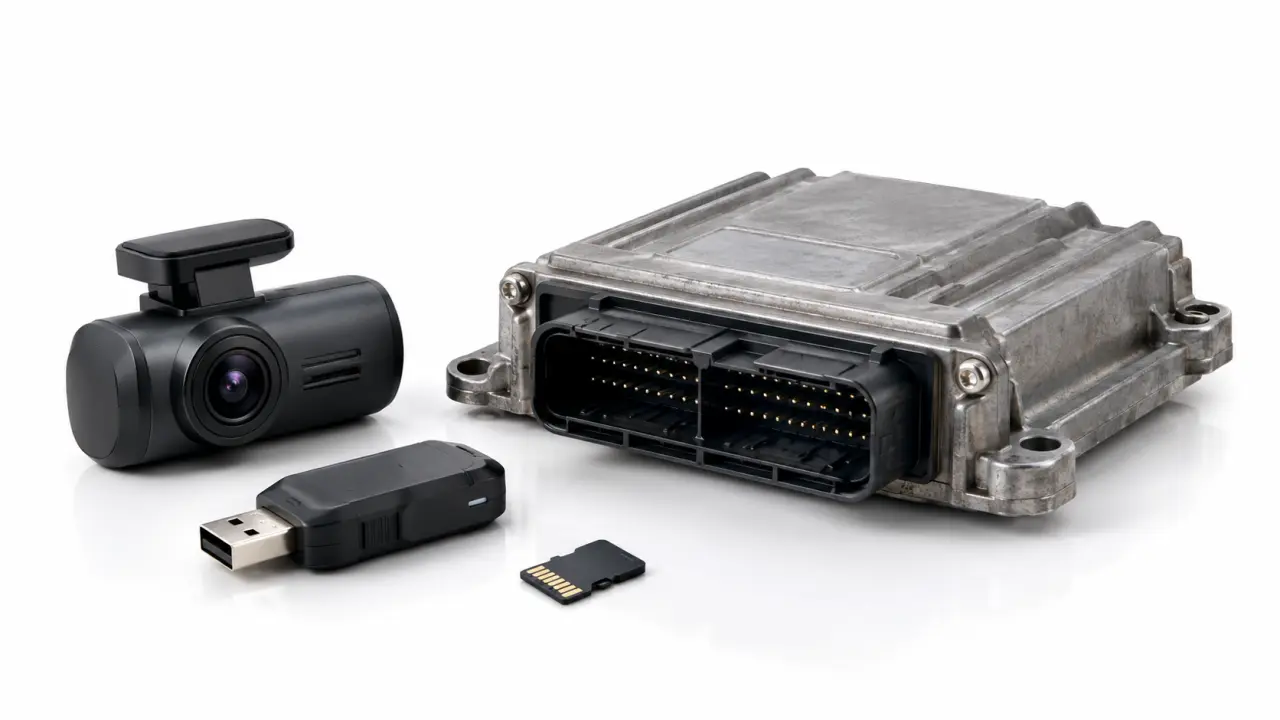
Your state's statute of limitations may give you two or three years to file. That is the outer legal boundary, and it is not the deadline that decides your case. The deadline that matters is whichever retention cycle expires first.
A tractor that goes back into service the week after a crash keeps writing over its own ECM memory. A dashcam clip nobody flagged rolls off the loop in a month. Driver logs hit their six-month floor and can be purged. None of this requires anyone to act in bad faith — it is simply what happens when no one has told the carrier to stop.
What a preservation letter does
- Puts the carrier and its insurer on formal notice that identified evidence is relevant to a claim
- Names the specific items — ECM download, ELD records, camera footage, maintenance file, dispatch communications, driver qualification file
- Makes subsequent destruction sanctionable, and in many states supports an adverse-inference jury instruction
- Is most effective in the first days after a crash, before retention cycles lapse
The other side moved first
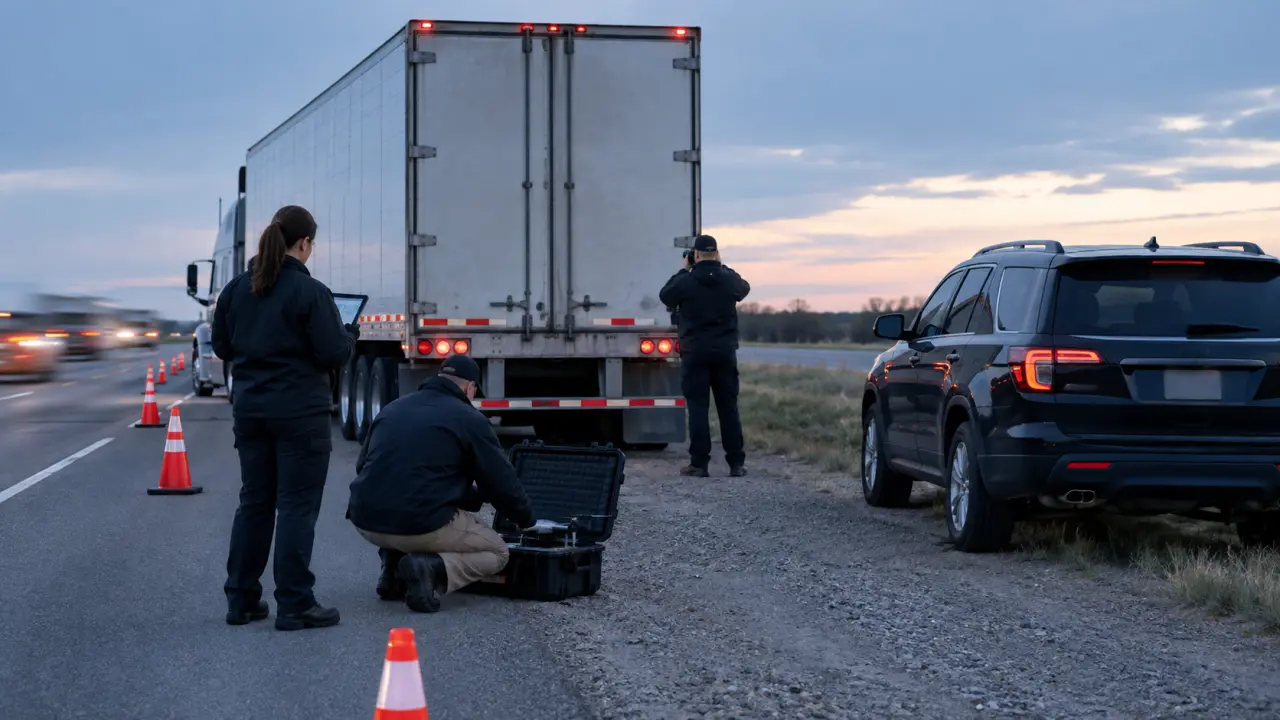
Major carriers keep rapid response teams on call. Within hours of a serious crash, the carrier's investigators and defense counsel can be at the scene photographing skid marks, interviewing witnesses, and downloading the ECM under their own control. That is not misconduct — it is competent claims handling. It does mean that by the time an injured person is out of the hospital, the defense may already have a complete evidentiary picture and the plaintiff may have none.
How the data gets used
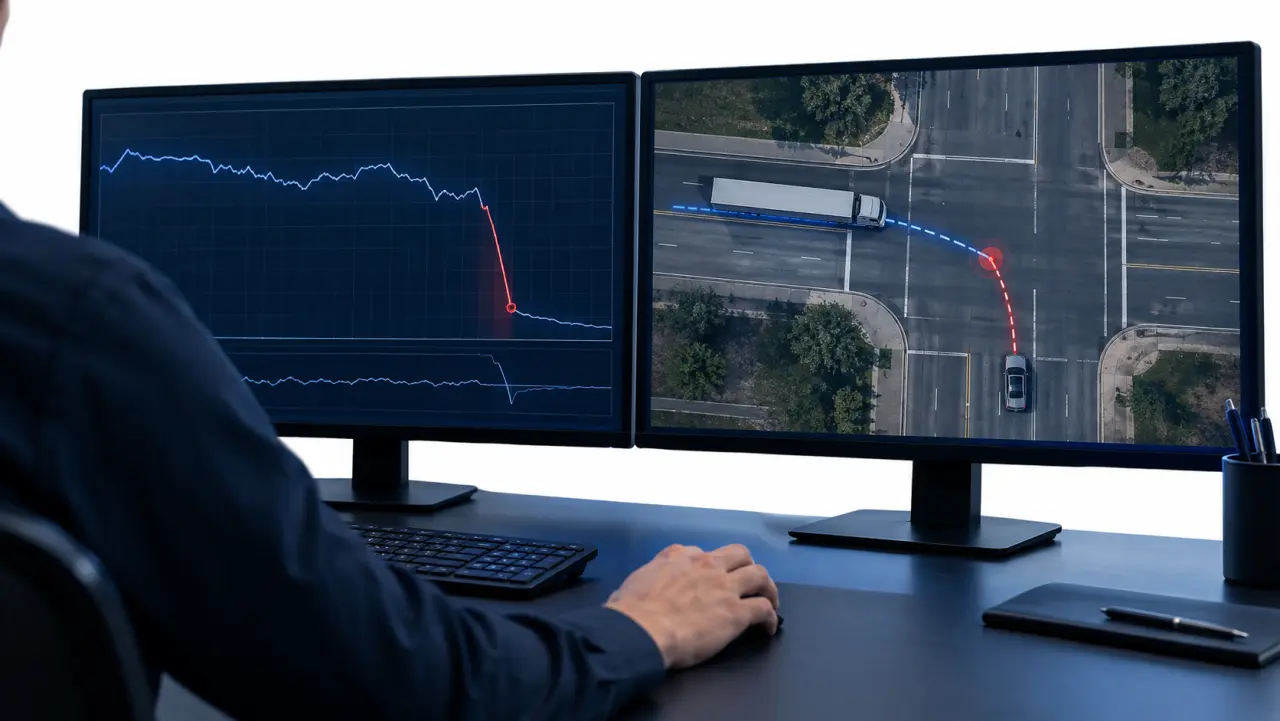
Reconstruction is where these records earn their value. ECM speed data set against posted limits and roadway geometry can establish that a driver never braked. ELD entries cross-checked against fuel receipts, toll transponder records, and dispatch messages can expose falsified logs — a pattern that supports both a fatigue claim and a direct negligence claim against the carrier that pressured the schedule.
Maintenance files do similar work in brake failure and tire blowout cases: a deferred defect noted on a driver inspection report and never repaired converts a mechanical failure into documented carrier negligence.
Act while the data still exists

If your crash involved a semi, the single most time-sensitive step is getting a preservation letter out. A free case review takes about a minute and costs nothing. See also FMCSA regulations & evidence for how each record type is regulated.
Related guides
- 18-wheeler accident lawyer — the federal regulatory side
- Tractor-trailer accident lawyer — split tractor/trailer ownership
- What to do after a truck accident
- Who can be held liable
Sources
- 49 CFR § 395.8 — Driver's record of duty status — Electronic Code of Federal Regulations
- Electronic Logging Devices — rule and technical specifications — Federal Motor Carrier Safety Administration
- 49 CFR Part 396 — Inspection, repair, and maintenance — Electronic Code of Federal Regulations
Federal regulations and crash statistics are updated periodically. Figures cited on this page reflect the referenced publications at the time of writing; check the source for the current edition.