An 18-wheeler accident lawyer handles crashes involving tractor-trailers operating in interstate commerce. Because these rigs cross state lines, they fall under federal FMCSA regulations rather than state traffic law alone — which means the carrier must hold federal operating authority, carry at least $750,000 in liability coverage, and keep records that become evidence in your claim.
The phrase "18-wheeler" describes the axle configuration: a tractor with ten wheels pulling a trailer with eight. What matters legally is not the wheel count but where that rig operates. An 18-wheeler hauling freight from Dallas to Memphis is engaged in interstate commerce, and that single fact pulls a whole body of federal law into your case.
Interstate vs. intrastate: the distinction that shapes your claim
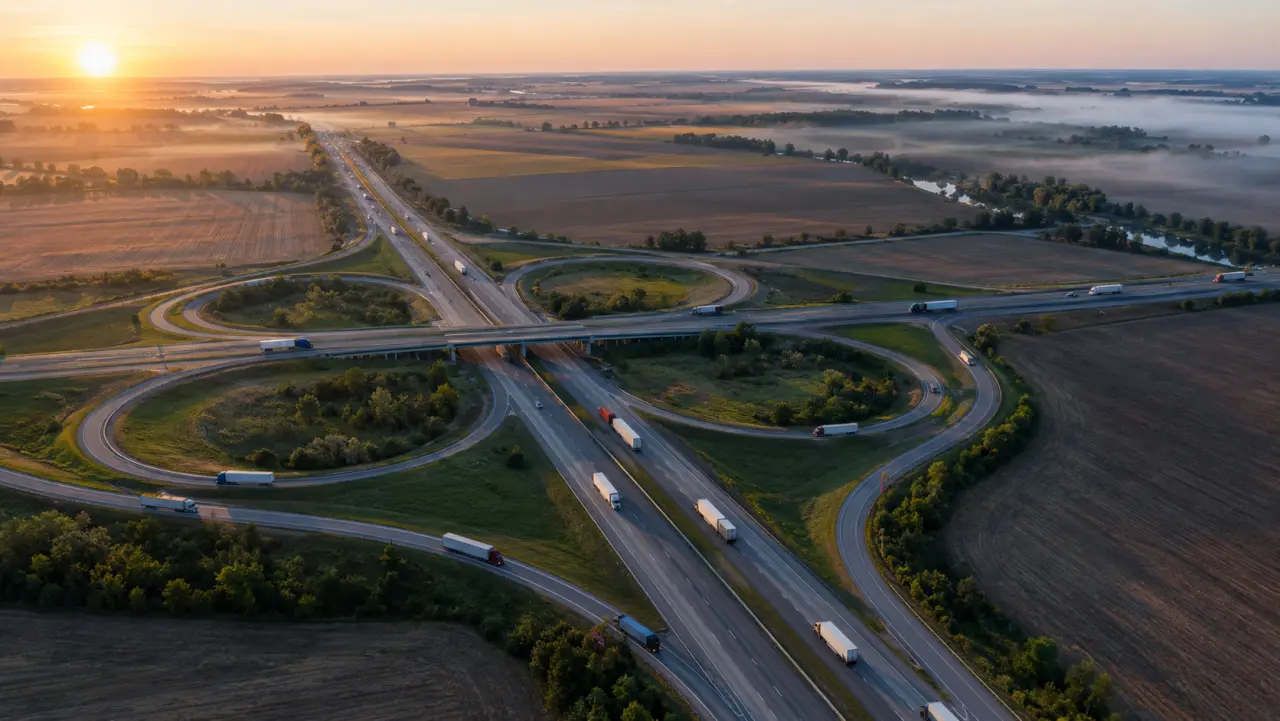
Not every large truck is federally regulated to the same degree. The difference is worth understanding early, because it determines which rules the carrier had to follow and which records it had to keep.
| Interstate carrier | Intrastate carrier | |
|---|---|---|
| Operates | Across state lines, or hauling freight in interstate commerce | Entirely within one state |
| Primary rules | Federal Motor Carrier Safety Regulations (49 CFR 350–399) | State rules, most of which adopt the federal ones in whole or part |
| Minimum liability insurance | $750,000 general freight; higher for hazardous materials | Set by the state — sometimes far lower |
| Operating authority | USDOT number and, for for-hire carriers, MC authority | State registration; may still require a USDOT number |
Carriers sometimes claim intrastate status to duck federal standards. Bills of lading, dispatch records, and the origin of the freight itself usually settle the question — cargo that began or will end its journey in another state is generally interstate commerce even if the specific leg never crossed a border.
The carrier's federal record is public — and often decisive
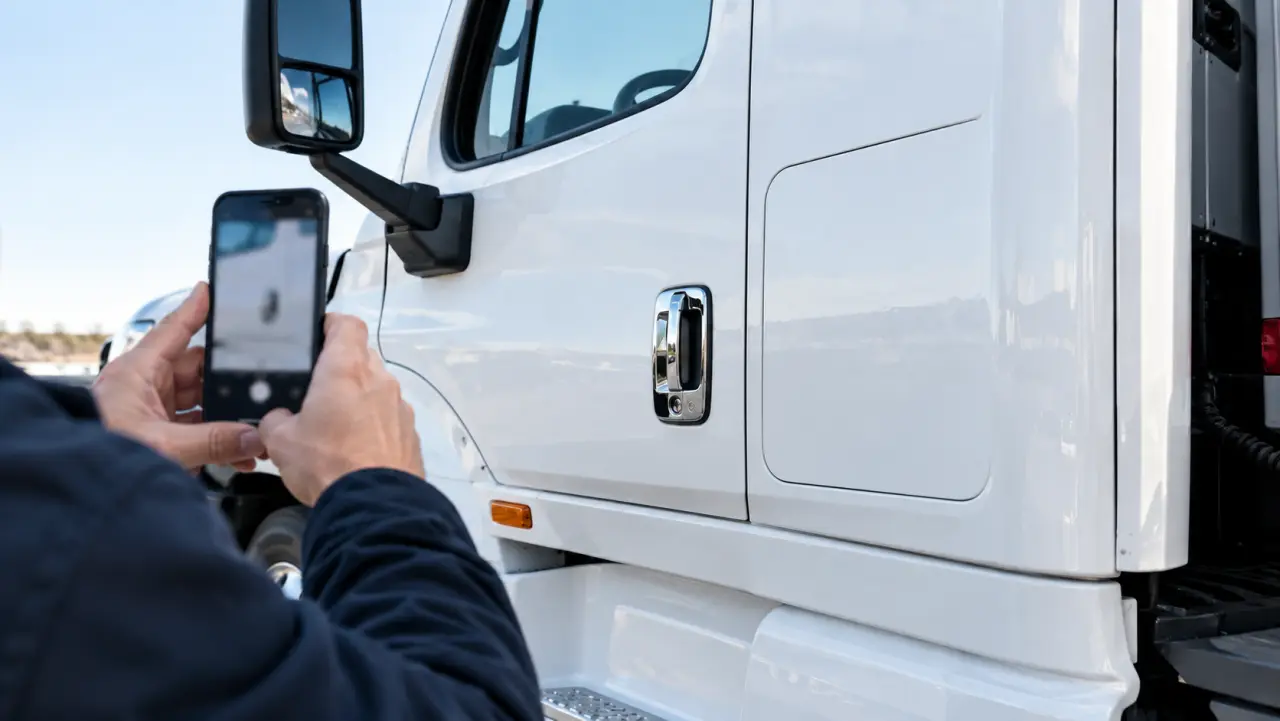
Every interstate carrier has a USDOT number, and that number unlocks a public safety file most victims never think to look at. The FMCSA's SAFER Company Snapshot shows:
- Crash history over the past 24 months, including fatal and injury crashes
- Roadside inspection results and out-of-service rates compared to the national average
- Violations grouped by category — unsafe driving, hours-of-service compliance, vehicle maintenance, driver fitness
- Current insurance filings and whether authority is active or revoked
This matters because a carrier with a documented pattern of maintenance violations that then causes a brake failure crash is not facing a simple negligence claim. It is facing a negligent maintenance and supervision claim supported by its own federal record — and in some states, an argument for punitive damages.
If you were at the scene, a photograph of the USDOT number on the cab door is worth more than almost anything else you could have captured. Without it, identifying the correct corporate defendant among leasing companies, owner-operators, and freight brokers gets considerably harder.
Why the driver is rarely the only defendant

Under respondeat superior, an employer answers for negligence its employee commits on the job. Carriers routinely try to sidestep this by classifying drivers as independent contractors — but FMCSA leasing rules (49 CFR Part 376) generally hold a carrier operating under its own authority responsible for the vehicle and driver, whatever the paperwork says.
Beyond the employment relationship, carriers face direct liability of their own for negligent hiring, negligent retention, inadequate training, and pressuring drivers into hours-of-service violations. Each theory reaches a different insurance layer. See the full breakdown of who can be held liable.
Insurance layers in an 18-wheeler case
The $750,000 federal minimum is a floor, not a ceiling, and it is rarely the whole picture. Large carriers commonly stack primary coverage with excess and umbrella policies reaching well into the millions. Separate policies may cover the tractor and the trailer when they have different owners, and a freight broker or shipper may carry contingent coverage of its own.
This is the practical reason truck cases are litigated differently from car cases: there is usually enough coverage to make full compensation possible, and enough at stake that the carrier's insurer sends an investigator to the scene within hours. See what your claim may cover.
What to do now
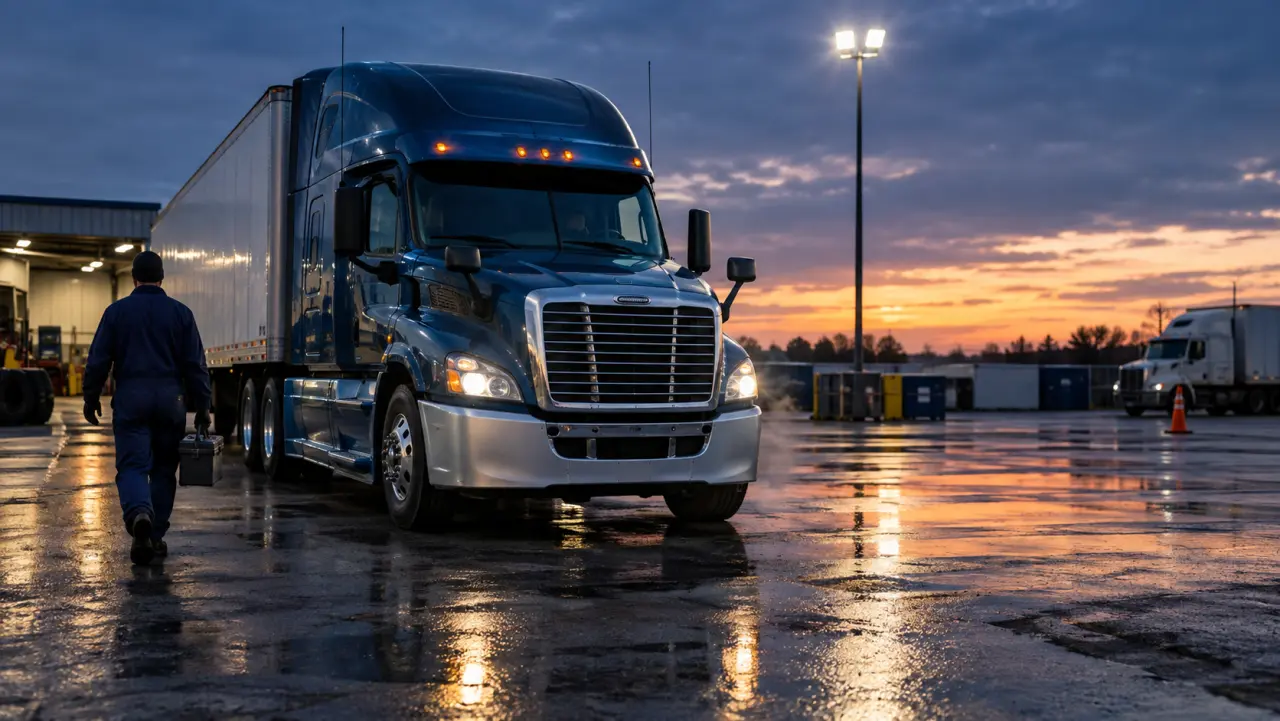
The carrier's rapid response team began building its defense the day of the crash. ELD records face a six-month retention floor, and black box data can be overwritten in normal operation long before that. A free case review costs nothing and starts the clock on a preservation letter. See also what to do after a truck accident and your state's filing deadline.
Related guides
- Semi-truck accident lawyer — the evidence side of the same crash type
- Tractor-trailer accident lawyer — when the tractor and trailer have different owners
- FMCSA regulations & evidence
- What happens in a truck accident lawsuit
Sources
- SAFER Company Snapshot — carrier safety records — Federal Motor Carrier Safety Administration
- 49 CFR § 387.9 — Minimum levels of financial responsibility — Electronic Code of Federal Regulations
- 49 CFR Part 390 — Federal Motor Carrier Safety Regulations, general — Electronic Code of Federal Regulations
- Large Truck and Bus Crash Facts — Federal Motor Carrier Safety Administration
Federal regulations and crash statistics are updated periodically. Figures cited on this page reflect the referenced publications at the time of writing; check the source for the current edition.