A big rig accident lawsuit moves through eight stages: evidence preservation, medical documentation, a settlement demand, filing the complaint, discovery, depositions and expert work, mediation, and — for a small minority of cases — trial. Most resolve by settlement, commonly one to three years after filing. Filing is often what makes a fair settlement possible.
People searching for information about a truck accident lawsuit usually want to know two things: how long this will take, and what will be asked of them. Below is the actual sequence, with realistic timing. Nothing here is a prediction about any specific case — schedules vary by court, state, and the complexity of the injuries.
Filing suit is not the same as going to trial

This is the most common misunderstanding. Filing a complaint does not commit you to testifying in front of a jury. It opens formal discovery — the mechanism that compels a carrier to produce the driver qualification file, the ELD data, the maintenance history, and the internal safety audits it has no obligation to share beforehand.
In practice, filing is frequently what converts an inadequate offer into a serious one, because it is the point at which the carrier's own records stop being optional.
The eight stages

01. Investigation and evidence preservation
Typical duration: Days to weeks
Preservation letters go out to the carrier, its insurer, and any trailer or cargo party. Counsel obtains the police report, identifies every potential defendant through USDOT records, and where possible inspects the vehicles before repair. This is the stage most affected by delay.
02. Medical treatment and documentation
Typical duration: Months to years
Your case cannot be valued until doctors can describe your prognosis. Settling before maximum medical improvement risks leaving future surgeries and long-term care uncompensated. Treatment continues in parallel with everything else.
03. Demand and pre-suit negotiation
Typical duration: 1–3 months
A demand package sets out liability, damages, and supporting records. Some cases settle here — typically where liability is clear and injuries are well documented. Many do not, because the insurer has no obligation yet to disclose what it knows.
04. Filing the complaint
Typical duration: Before the deadline
Suit is filed in the proper court against every identified defendant, which stops the statute of limitations. Venue matters: where a case is filed affects which state's law applies, the jury pool, and how quickly it reaches trial.
05. Discovery
Typical duration: 6–18 months
The evidentiary heart of a truck case. Written discovery, document production, and subpoenas pull in the driver qualification file, ELD and ECM data, maintenance records, dispatch messages, insurance policies, and internal safety audits.
06. Depositions and experts
Typical duration: 3–9 months
Sworn testimony from the driver, the safety director, corporate representatives, and you. Accident reconstructionists, treating physicians, life care planners, and economists develop the technical case on both liability and damages.
07. Mediation and settlement negotiation
Typical duration: 1–2 days, often repeated
A neutral mediator works between the parties. By this point both sides have seen the evidence, which is precisely why mediation resolves so many cases that could not settle earlier.
08. Trial
Typical duration: Days to weeks
If no agreement is reached, a jury decides liability and damages. Most cases never reach this stage — but credible readiness to try the case is what drives the offers in every stage before it.
What makes truck lawsuits slower than car lawsuits

- More defendants — carrier, driver, trailer owner, shipper, broker, and maintenance vendor each get their own counsel and their own discovery
- More documents — a single carrier's driver qualification and maintenance file can run to thousands of pages
- More experts — reconstruction, trucking safety standards, human factors, life care planning, and economics
- Corporate depositions — designated corporate representatives must be identified, scheduled, and prepared
- Severe injuries take longer to evaluate — and catastrophic cases carry the largest gap between an early offer and a fully documented claim
What is asked of you

Less than most people fear. You will need to keep treating and following medical advice, keep records of expenses and missed work, answer written questions truthfully, sit for a deposition, and avoid discussing the case publicly — including on social media, which defense counsel does review. Your attorney handles the rest.
Before any of this starts
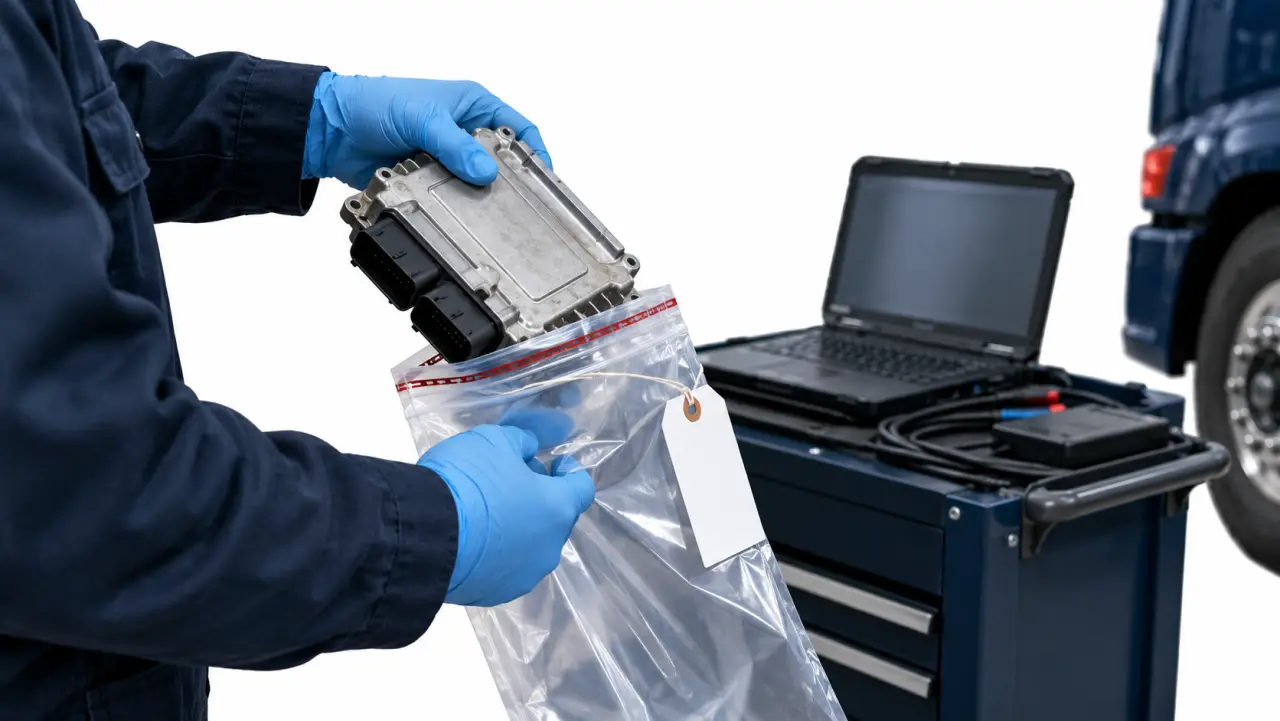
Every stage above depends on evidence that exists on day one and may not exist in month six. If you are considering a claim, confirm your state's filing deadline and start with a free case review.
Related guides
- Big rig accident settlements: what you actually keep
- How to choose a big rig accident lawyer
- What your claim may cover
- Who can be held liable
- The evidence a semi truck records
- What to do after a truck accident
Sources
- Federal Rules of Civil Procedure — United States Courts
- Large Truck and Bus Crash Facts — Federal Motor Carrier Safety Administration
Federal regulations and crash statistics are updated periodically. Figures cited on this page reflect the referenced publications at the time of writing; check the source for the current edition.