A commercial truck accident lawyer handles crashes involving any vehicle operated for business — box trucks, dump trucks, tankers, buses, utility trucks, and delivery vans, not only semis. Federal safety rules generally attach at 10,001 pounds in interstate commerce, which sweeps in far more vehicles than most people assume, each with different insurance minimums.
People search for a "truck accident lawyer" after being hit by a delivery van and wonder whether their case really belongs in that category. Usually it does. The legal machinery that makes truck cases different — federal regulation, corporate defendants, commercial insurance — is not reserved for tractor-trailers.
Where the federal line falls
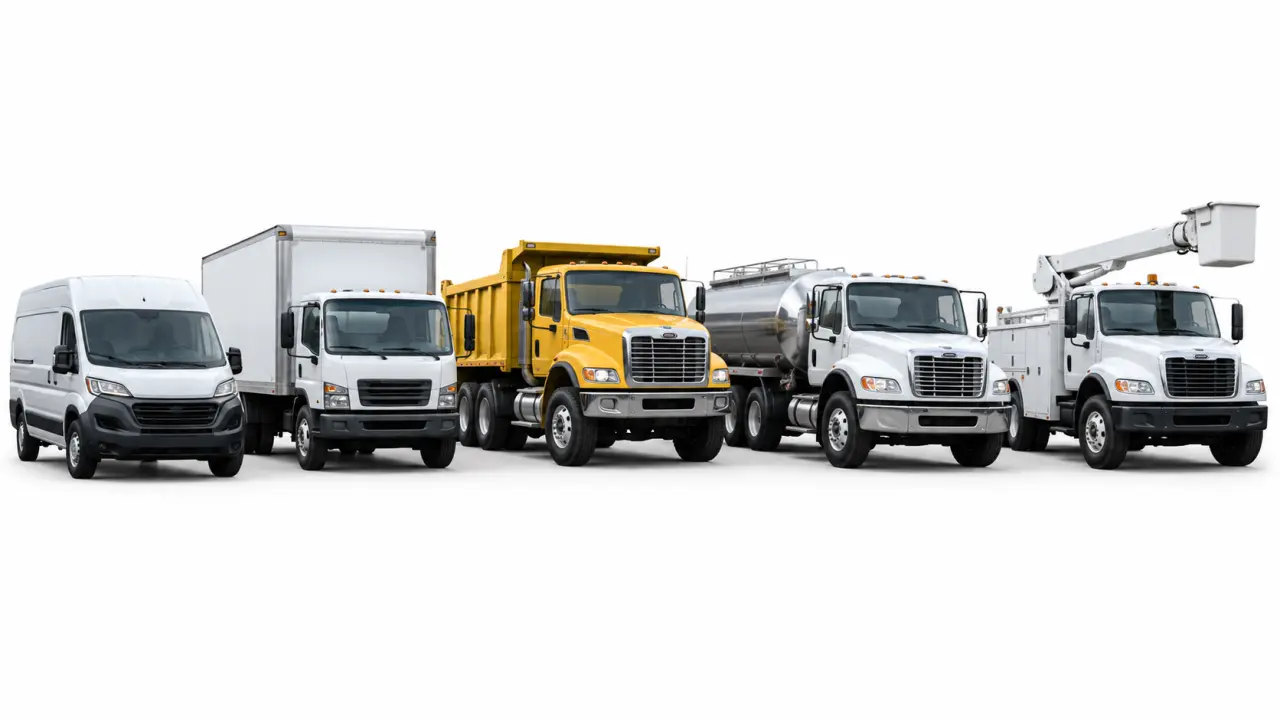
Commercial motor vehicle thresholds
- 10,001+ lbs gross vehicle weight rating in interstate commerce — federal safety regulations generally apply
- 9+ passengers for compensation, or 16+ without compensation — regardless of weight
- Placarded hazardous materials — regardless of weight
- 26,001+ lbs — a commercial driver's license is generally required
The gap between the 10,001-pound regulatory threshold and the 26,001-pound CDL threshold is where a great many crashes happen. A loaded box truck can sit squarely inside federal safety jurisdiction while being driven by someone who holds nothing more than a regular driver's license and received minimal training.
Vehicle types and what tends to go wrong
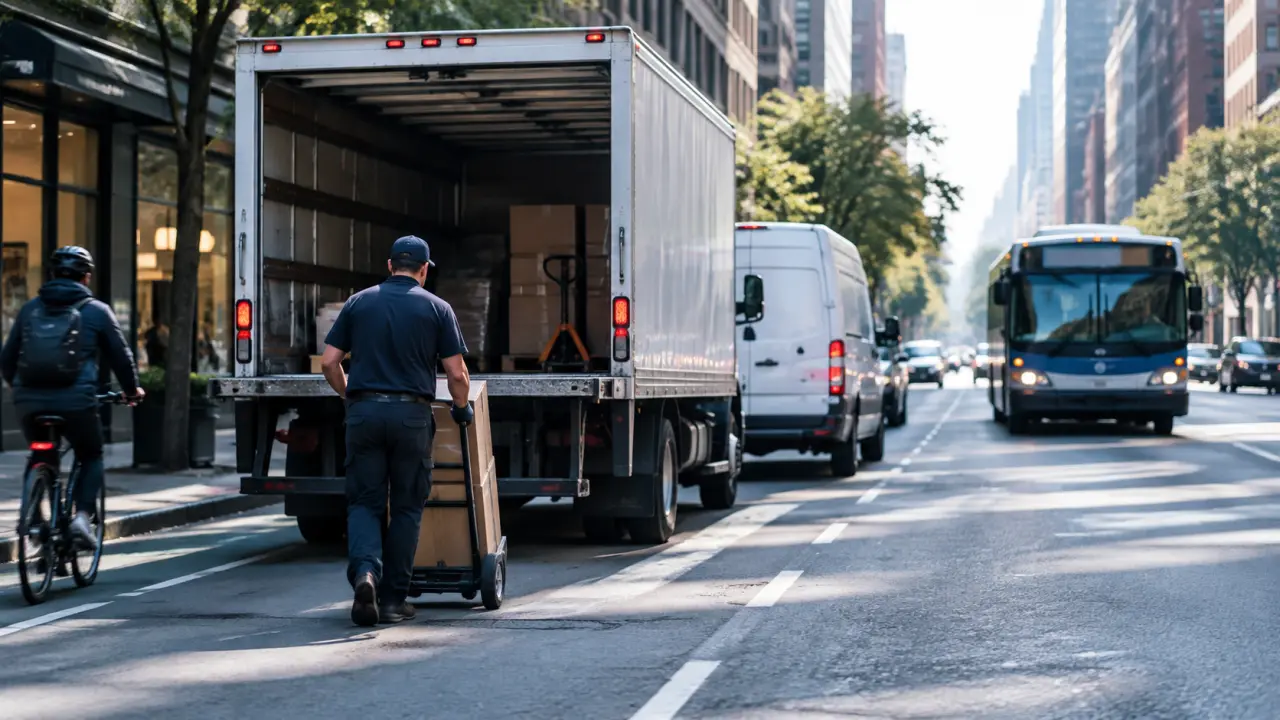
| Vehicle | Common failure pattern | Typical defendants |
|---|---|---|
| Box / straight truck | Untrained drivers, overloading, poor rear visibility, no underride guard | Operator, rental fleet, employer |
| Dump truck | Raised-bed strikes, blind spots, unsecured aggregate, construction-zone maneuvering | Hauling company, general contractor, site owner |
| Tanker | Liquid surge and rollover, hazardous material release, placarding failures | Carrier, shipper, hazmat contractor |
| Bus / passenger vehicle | Driver fatigue, maintenance lapses, inadequate driver screening | Transit authority, charter operator, school district |
| Delivery van | Route quotas, frequent stops, backing crashes, pedestrian and cyclist strikes | Delivery contractor, parent logistics company |
| Utility / service truck | Roadside positioning, boom and equipment strikes, inadequate work-zone controls | Utility company, municipal employer, contractor |
Government and municipal defendants change the rules
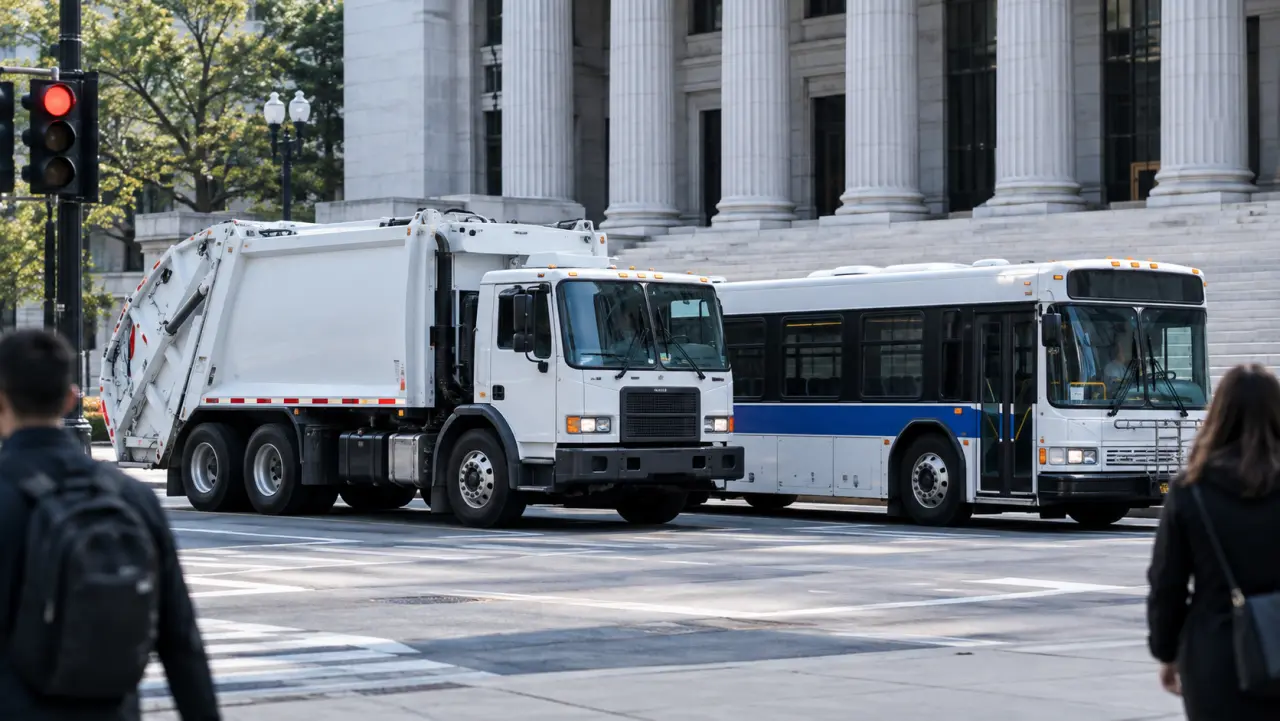
If the truck belonged to a city, county, transit authority, or school district, ordinary deadlines may not apply. Most jurisdictions require a formal notice of claim within a short window — often measured in months, sometimes as little as 30 to 90 days — long before the general statute of limitations expires. Miss that notice and the claim can be barred no matter how clear the liability. Sovereign immunity statutes may also cap damages.
The contractor question in delivery cases

National logistics networks commonly deliver through contracted service partners, with drivers classified as contractors rather than employees. When one of those drivers causes a crash, the parent company's first position is typically that it is not responsible for an independent business.
Whether that holds depends on control in practice rather than classification on paper: who set the route, who set delivery quotas, who supplied the vehicle and the handheld, who monitored performance, and who could terminate the relationship. Those facts live in contracts and telematics records, which is why these cases turn on early discovery.
Insurance is often lower — which makes finding every party matter more
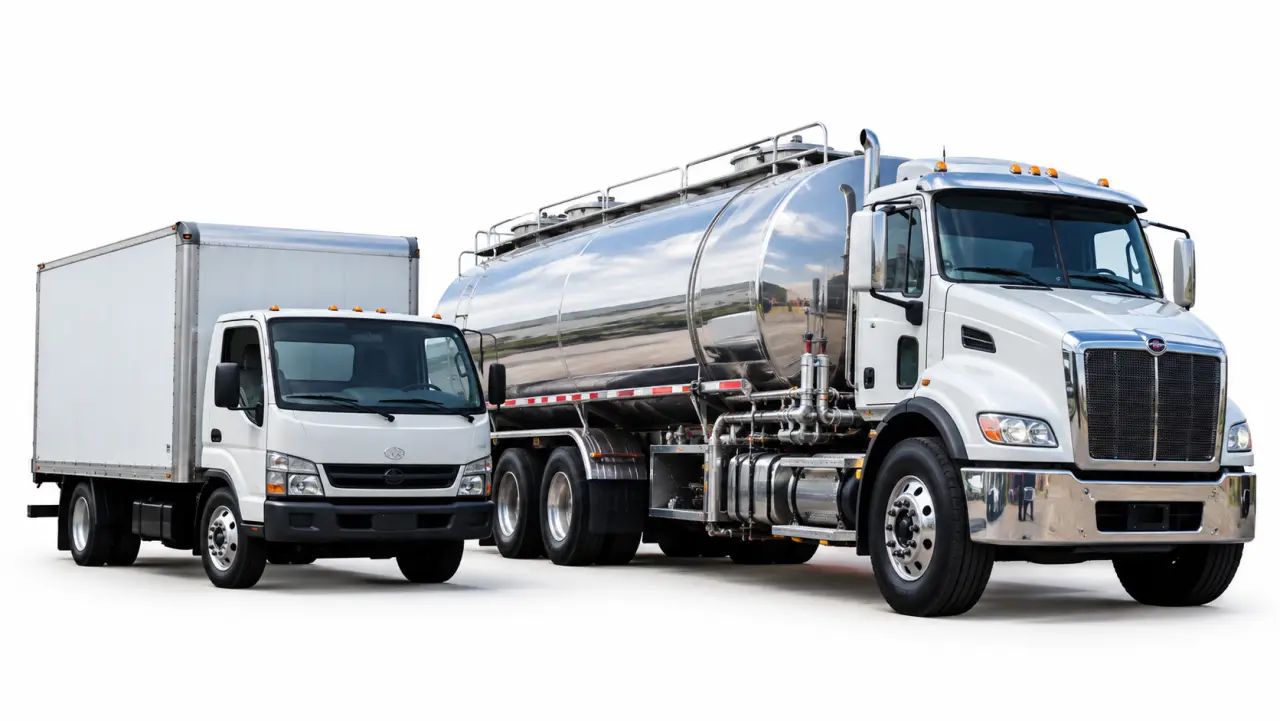
Federal minimums scale with weight and cargo. A general-freight vehicle under 10,001 pounds may carry far less than the $750,000 required of a heavy interstate carrier, while hazardous materials haulers can be required to carry $1 million or $5 million depending on the substance.
When primary coverage is thin, identifying additional defendants — a contractor, a property owner, a maintenance vendor — is frequently the only route to full compensation.
Find out where your crash fits
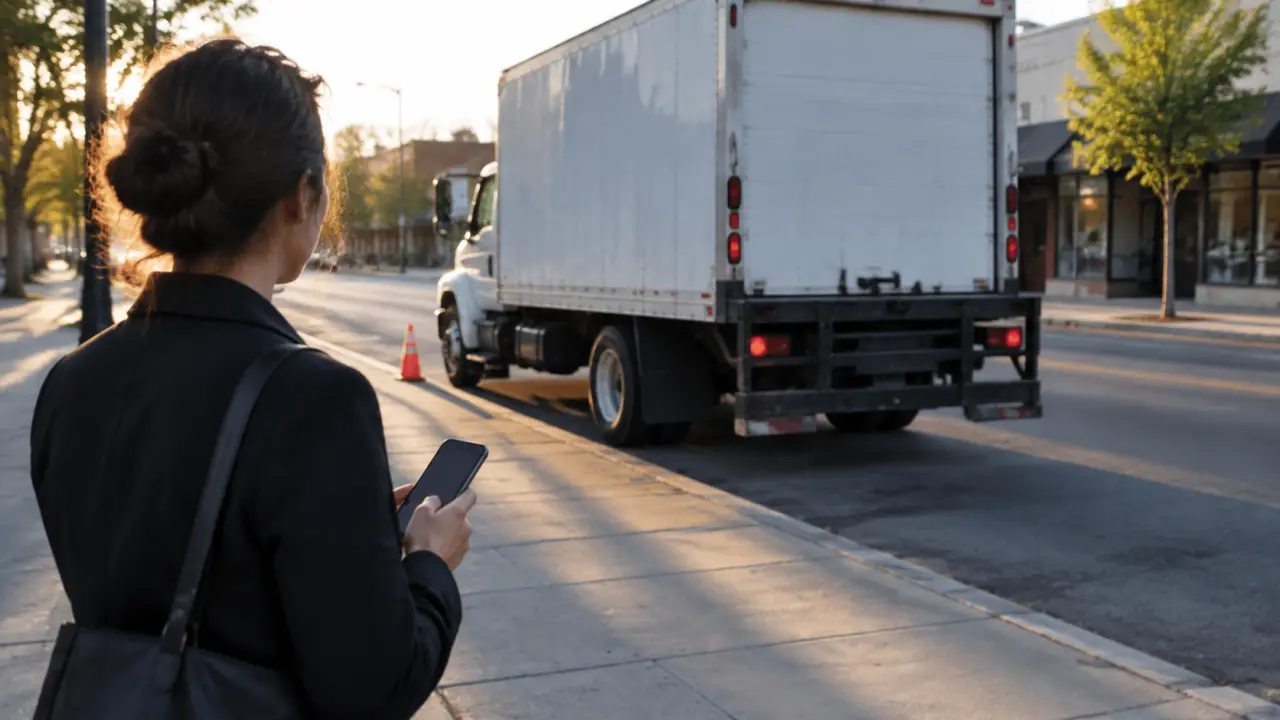
If a work vehicle of any kind injured you, it is worth confirming which rules apply before you talk to an adjuster. A free case review takes about a minute.
Related guides
- 18-wheeler accident lawyer
- Semi-truck accident lawyer
- Who can be held liable
- FMCSA regulations & evidence
Sources
- 49 CFR § 390.5 — Definitions, commercial motor vehicle — Electronic Code of Federal Regulations
- 49 CFR Part 383 — Commercial driver's license standards — Electronic Code of Federal Regulations
- 49 CFR § 387.9 — Minimum levels of financial responsibility — Electronic Code of Federal Regulations
Federal regulations and crash statistics are updated periodically. Figures cited on this page reflect the referenced publications at the time of writing; check the source for the current edition.