A big rig carries far more fuel than a passenger car, and many haul flammable, combustible, or hazardous cargo. When a collision ruptures a fuel tank or ignites cargo, the result can be a post-crash fire or explosion that causes severe burns to anyone trapped or nearby — injuries that are both excruciating to treat and among the most expensive to recover from.
Burn severity levels

- First-degree — affects only the outer skin layer; typically heals without scarring
- Second-degree — extends into deeper skin layers, causing blistering and a real risk of scarring and infection
- Third-degree — full-thickness burns destroying skin and underlying tissue, usually requiring skin grafting
- Fourth-degree — extends into muscle, tendon, or bone; the most severe and life-threatening category
Treatment and long-term impact

- Emergency burn unit care, often at a specialized regional burn center
- Multiple skin graft and reconstructive surgeries over months or years
- Extensive, painful wound care and infection management
- Physical therapy to manage scar tissue contracture and restore mobility
- Psychological care for trauma, disfigurement, and body image
- Permanent scarring — compensable as disfigurement, separate from medical costs
Hazardous cargo adds complexity
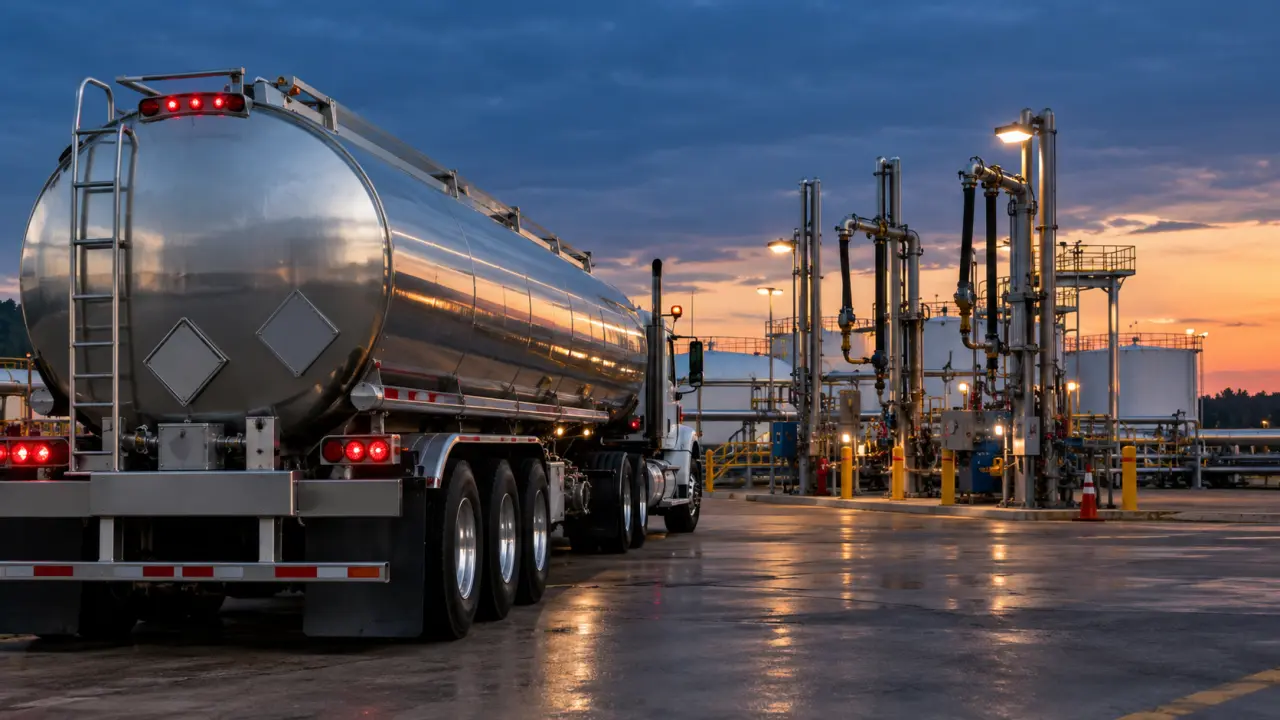
If the truck was transporting hazardous materials, federal placarding and handling rules apply, and a violation can strengthen the case substantially. Learn more about the FMCSA regulations that govern commercial cargo and how they factor into liability. Burn injury claims often involve the trailer or tanker manufacturer in addition to the carrier and driver — see what compensation may cover, or start a free case review today.