Crush injuries are common in underride and rollover truck accidents, where a limb is trapped between the vehicle and the trailer, pavement, or another object. When tissue, bone, and circulation are damaged beyond repair, surgical amputation may be the only option — either at the scene as emergency care, or later if the limb cannot be saved.
Immediate and long-term medical needs
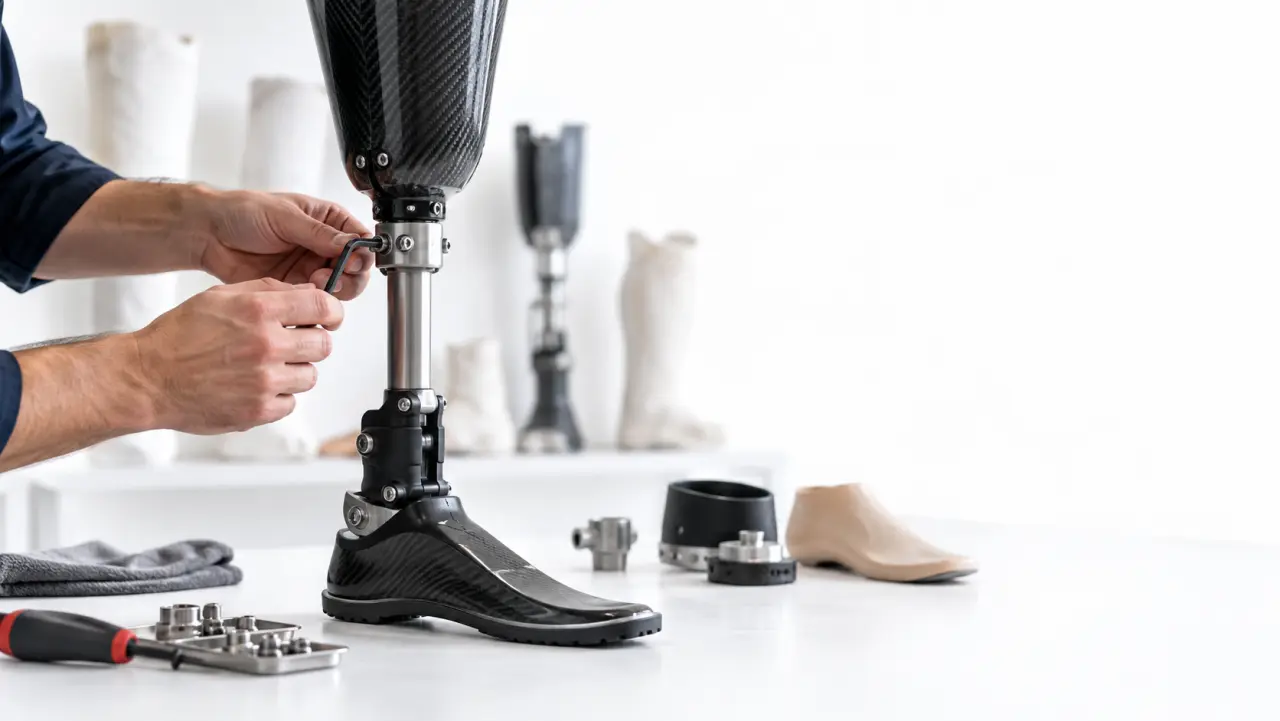
- Emergency and reconstructive surgery, sometimes multiple procedures
- Prosthetic devices — modern prosthetics can cost tens of thousands of dollars and require replacement every few years, especially for active or growing patients
- Physical and occupational therapy to adapt to the prosthetic and regain function
- Phantom limb pain management — a common, often long-lasting complication
- Psychological care for the trauma of limb loss and body image adjustment
- Home and vehicle modifications
Why these claims require a lifetime-cost view
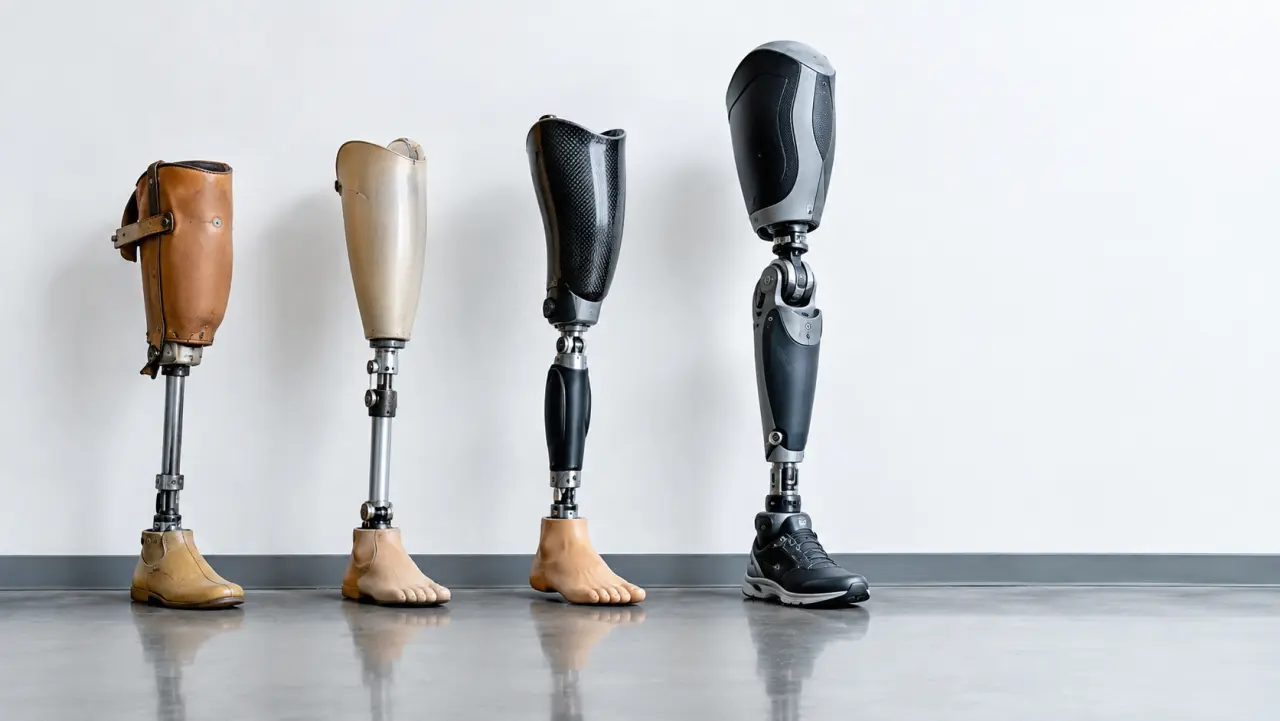
Prosthetic limbs wear out and must be replaced repeatedly over a victim's lifetime, and technology upgrades (myoelectric hands, microprocessor knees) carry substantial costs insurance rarely covers in full. A properly valued claim projects replacement costs across a full life expectancy, not just the first device. See what compensation may include — medical expenses, lost earning capacity, and pain and suffering all apply directly here — and who can be held liable for the crash that caused the injury.
If you or a loved one lost a limb in a big rig accident, get a free case review from a big rig truck accident lawyer — there's no cost and no obligation.