An underride accident happens when a passenger vehicle slides beneath a truck's trailer. Because the trailer bed sits at roughly windshield height, the car's bumper, crumple zones, and airbags are bypassed entirely and the trailer enters the passenger compartment. This is why underride crashes are fatal at speeds people ordinarily survive.
Every safety system in a modern car assumes it will strike something at bumper height. Crumple zones absorb energy through the front structure; airbags fire on deceleration sensed through that structure; the passenger cell is engineered to stay intact around the occupants.
An underride collision defeats all of it at once. The car passes under the trailer, the front structure never meaningfully engages, and the trailer edge arrives at the level of the windshield and roofline. Safety researchers including the IIHS and the NTSB have identified underride as one of the deadliest crash modes on American highways for exactly this reason.
Rear underride vs. side underride
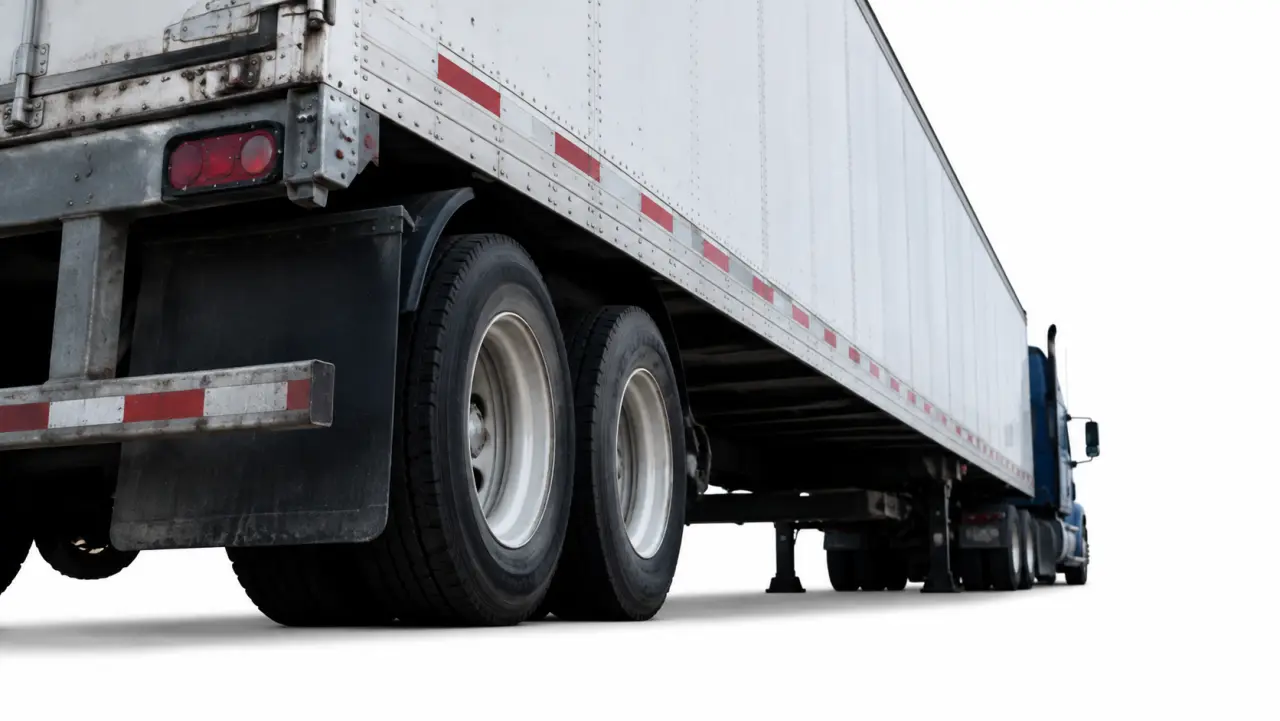
| Rear underride | Side underride | |
|---|---|---|
| How it happens | Vehicle strikes the back of a trailer — often stopped, slow-moving, or parked on a shoulder | Vehicle slides beneath the side of a trailer crossing or turning across traffic |
| Guard required? | Yes — rear impact guards are federally mandated on most trailers | No — side guards are not required on most trailers |
| Typical contributing factors | Damaged or corroded guard, no warning triangles for a stopped rig, burned-out lights, slow merging | Unlit trailer crossing at night, missing conspicuity tape, wide turns across lanes, poor visibility |
| Legal angle | Maintenance and inspection records; guard compliance; product liability if the guard failed | Driver conduct; conspicuity compliance; the regulatory gap itself as evidence of foreseeable risk |
The rear guard rules — and their limits
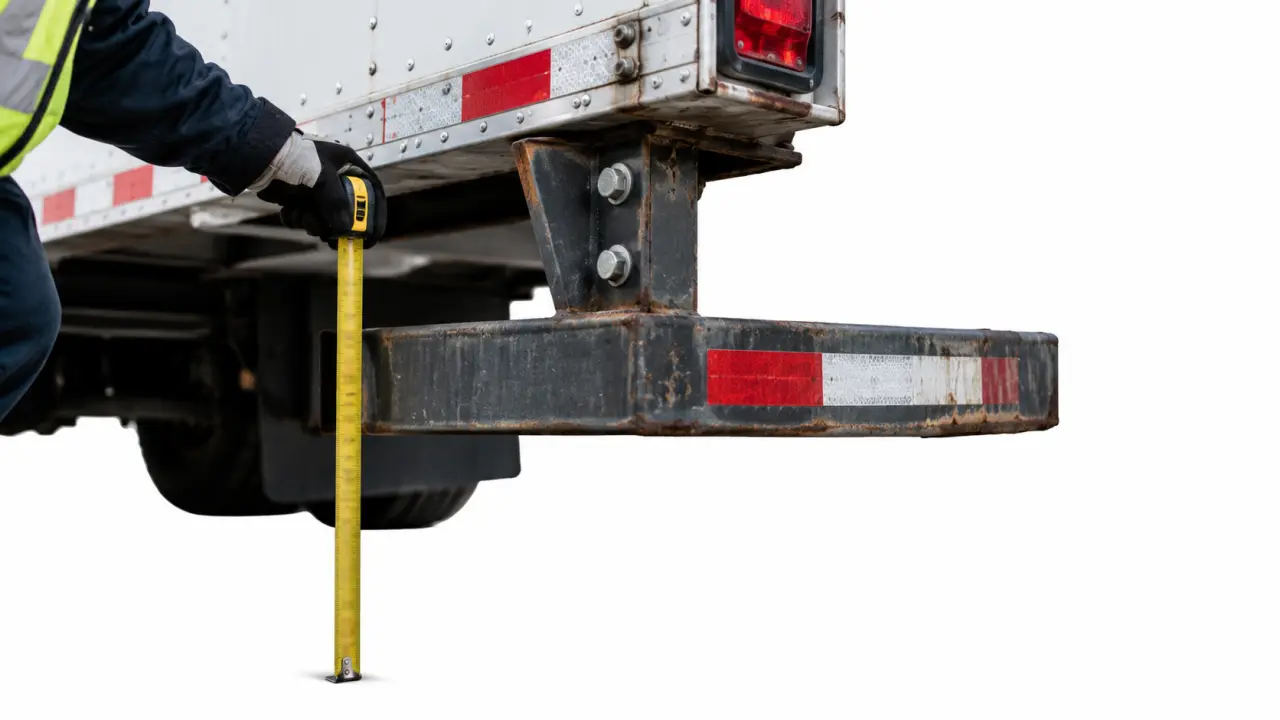
Federal standards have required rear impact guards on most trailers for decades, and NHTSA has strengthened those requirements in more recent rulemaking, including upgrades aligned with crash testing that trailer manufacturers had already begun meeting voluntarily.
Two limits matter for claims. First, a compliant guard is not the same as an effective one: research has repeatedly shown failures in offset impacts, where a car strikes the outer edge of the trailer rather than the center, and in higher-speed collisions. Second, a guard that was compliant when built may be corroded, bent from prior loading dock contact, or improperly repaired years later. That condition is a maintenance question, and it is documented in the carrier's inspection records.
Side underride: the gap that has not closed
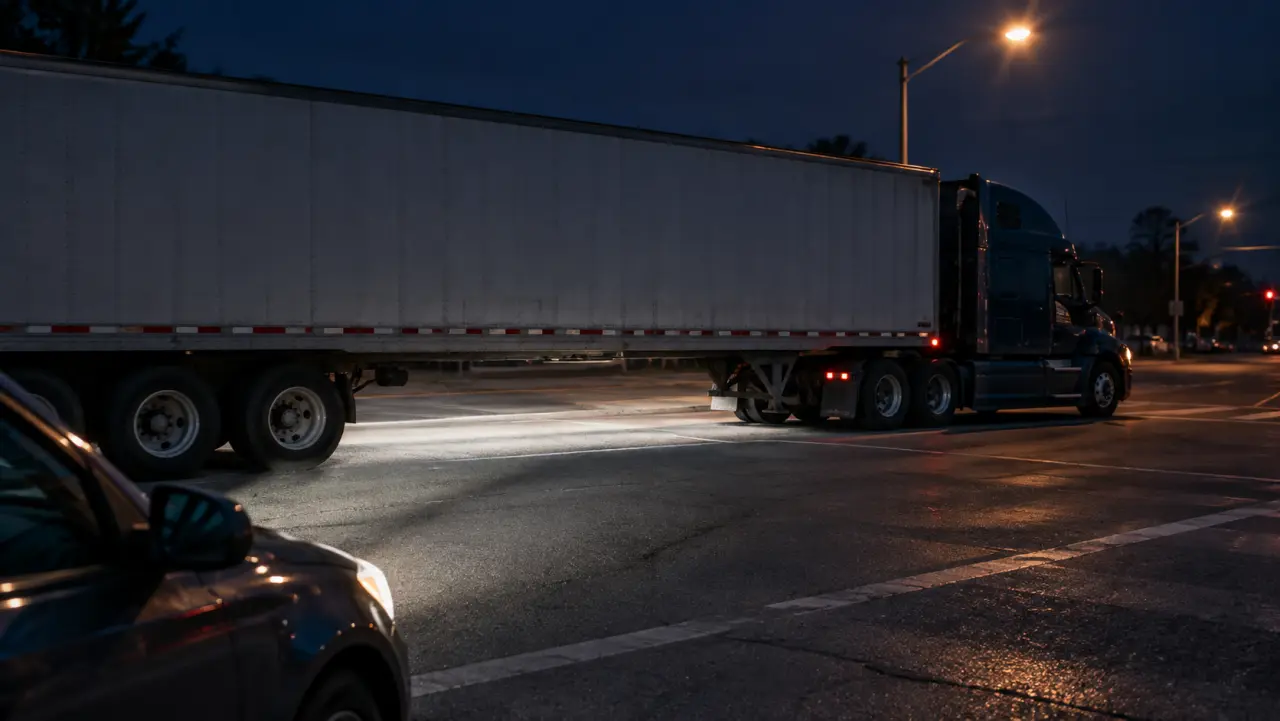
Side underride has been studied for decades. Testing by IIHS and others has demonstrated that side guards can prevent a passenger vehicle from sliding beneath a trailer in crashes that would otherwise be fatal, and families who lost relatives in these crashes have campaigned for a federal mandate for years. Legislation has been introduced repeatedly. No general requirement has taken effect for most trailers.
In litigation this cuts in a specific direction: where a hazard is well-documented and a feasible countermeasure is commercially available but not adopted, that history is relevant to what the carrier and manufacturer knew and could have done. It also raises the stakes of conspicuity compliance — reflective tape and functioning lights are what an unguarded trailer relies on to be seen at night.
Who is liable in an underride case
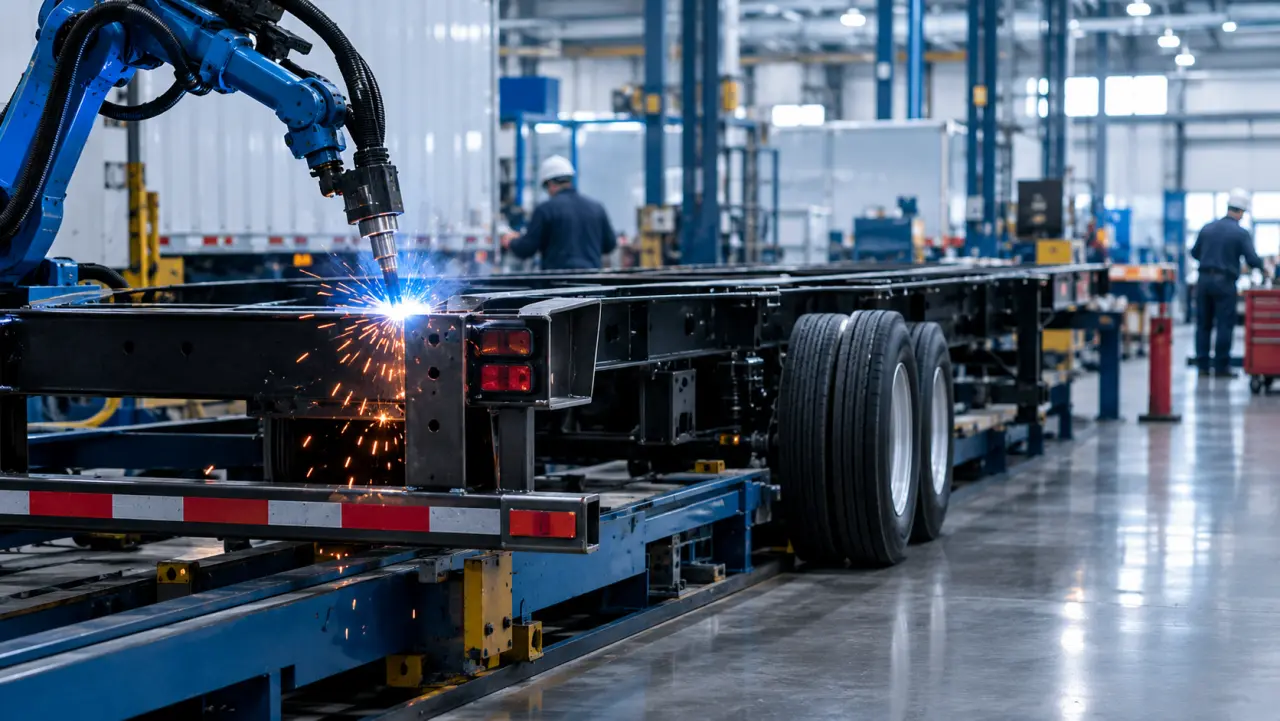
Underride claims are rarely about driver error alone. A big rig truck accident lawyer will investigate each of these:
- The motor carrier — was the rear guard damaged, corroded, or missing? Was required reflective conspicuity tape worn or absent? Were flares or triangles deployed for a stopped rig? Were defects noted on a driver vehicle inspection report and never repaired?
- The driver — slow merging onto a highway, unsafe turns across traffic, stopping in a live travel lane, failing to activate hazard lights.
- The trailer owner — often a different company than the carrier operating the tractor. See how split tractor and trailer ownership works.
- The trailer or guard manufacturer — a guard that met the minimum standard but failed in a foreseeable offset impact can support a product liability claim.
The comparative fault fight

Expect the insurer to argue you should have seen the trailer. In rear-underride cases they will lean on the presumption that a following driver is at fault; in side-underride cases they will argue you were speeding or inattentive.
What defeats those arguments is physical evidence of the trailer's condition — photographs of the guard, the lighting, and the reflective tape, taken before the trailer is repaired or returned to service. Once it has been fixed, the proof is gone and the argument becomes your word against theirs.
How much this matters depends on your state: in contributory negligence states like North Carolina and Alabama, shifting even 1% of fault onto you can end the claim entirely.
These cases are almost always catastrophic

Because the intrusion arrives at head height, underride collisions produce a disproportionate share of fatal head and neck injuries, and survivors frequently face life-altering brain and spinal cord injuries. Families pursuing wrongful death claims and survivors with catastrophic injuries should understand the full scope of available compensation before speaking to any adjuster.
Act before the trailer is repaired
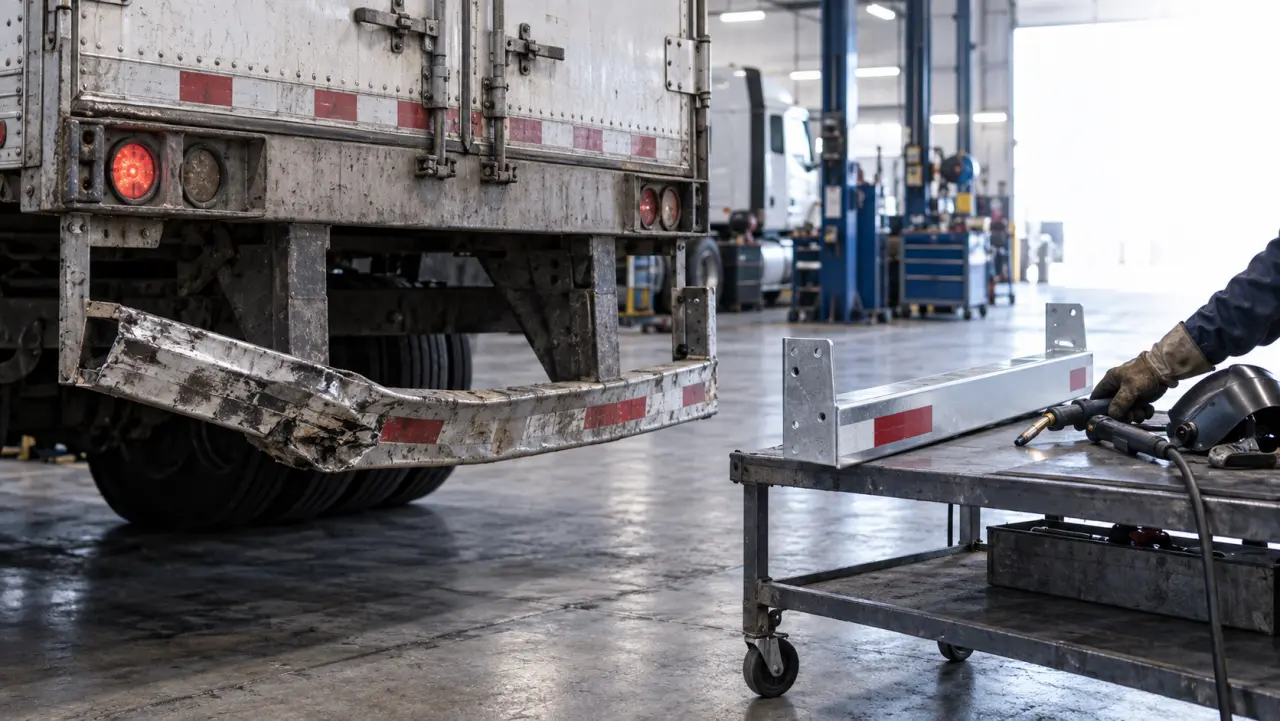
The single most time-sensitive step in an underride case is documenting the trailer's condition. A free case review costs nothing and starts the preservation process. See also what to do after a truck accident.
Related pages
Sources
- Large Trucks — fatality facts and underride research — Insurance Institute for Highway Safety (IIHS)
- Rear impact guards and rear impact protection — rulemaking — National Highway Traffic Safety Administration
- 49 CFR § 393.86 — Rear impact guards and rear end protection — Electronic Code of Federal Regulations
- 49 CFR § 393.11 — Lamps and reflective devices — Electronic Code of Federal Regulations
- Large Truck and Bus Crash Facts — Federal Motor Carrier Safety Administration
Federal regulations and crash statistics are updated periodically. Figures cited on this page reflect the referenced publications at the time of writing; check the source for the current edition.